

Police officers are exposed to wide-ranging trauma that, when bottled up indefinitely, can lead to mental health issues, physical ailments and even suicide. Cops consume pain daily, but don’t often share that pain with others. Often, officers will hold themselves to the idea that they must be emotionally “tough” at all times. They feel that sharing pain is a sign of weakness. The truth is everyone experiences mental health struggles – even people who do not consistently face potentially traumatic experiences on a regular basis.
Contrary to popular belief, simply being a police officer does not inherently increase one’s risk of suicide, PTSD or any other mental health issue. However, just like anyone, many officers do struggle with emotional or mental health at some point during their careers. Studies have shown that generalized suicide prevention training is ineffective at helping officers manage these issues—but what is effective is peer support.
Police peer support aims to help facilitate targeted intervention with at-risk individuals. Providing the right resources and encouraging treatment for these individuals has been proven to be effective and efficient at serving police officers in need.
Peer support is not in competition with other forms of wellness assistance. It can act as one facet of treatment alongside professional counseling, group therapy or medical treatment. The ultimate goal of peer support programs is to provide officers with emotional and tangible support in times of crisis. Officers will be equipped to handle their problems and will be directed toward resources to get them the help they need.
Police peer support works because it creates a connection between the officer in crisis and their colleagues. This connection is what leads to the healing. The officers build trust within the program and can openly share the pain they are experiencing. Peer support team members will ideally be trained on how to handle conversations and respond to different scenarios.
The structure of a police peer support team often comes down to department budget or size. While the Clinical Supervisor Model is recommended, some form of peer support is better than no peer support. Here are three common models:
Take stock of where your agency falls and what kind of peer support program you can apply. While it may be tempting to devote resources to other priorities, the importance and impact of peer support is clear.
To learn about the legal considerations that need to be made when establishing a peer support program in your department, view our on-demand webinar: Law Enforcement Peer Support: Therapeutic & Legal Considerations.
 BARRY TOONE is the co-founder, CEO and general counsel of Stepstone Connect, a company that maintains a network of trauma-trained clinicians throughout the United States that serves law enforcement agencies and fire departments. Stepstone provides wide-ranging mental, emotional, behavioral and health services using secure, online HIPAA-compliant technology.
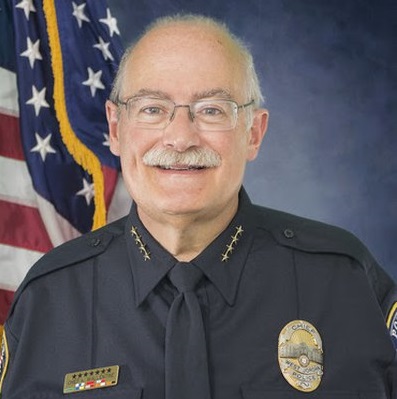 KEN WALLENTINE is the Chief of the West Jordan (Utah) Police Department and former Chief of Law Enforcement for the Utah Attorney General. He has served over three decades in public safety, is a legal expert and editor of Xiphos, a monthly national criminal procedure newsletter. He is a member of the Board of Directors of the Institute for the Prevention of In-Custody Death and serves as a use of force consultant in state and federal criminal and civil litigation across the nation.[strategem_author][vc_custom_heading text=”Law Enforcement Peer Support:
Therapeutic & Legal Considerations” font_container=”tag:h2|font_size:36.73|text_align:center|color:%23ffffff” use_theme_fonts=”yes”]