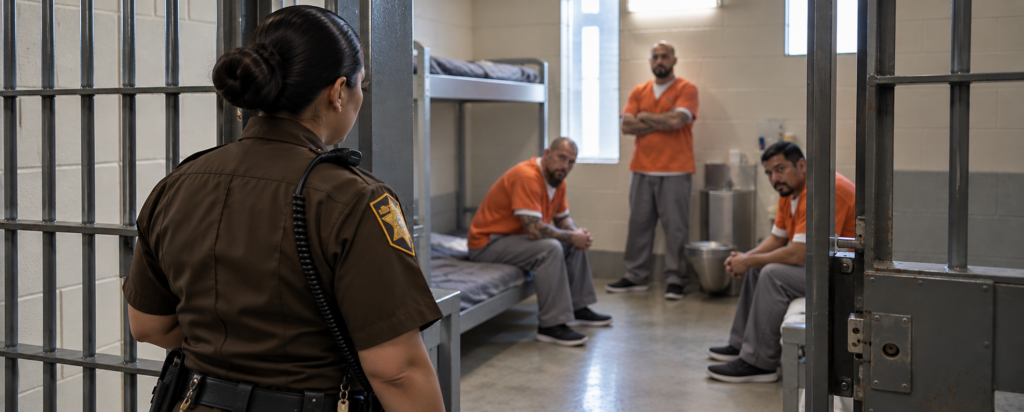
A housing unit can get tense quickly when the same people share the same space and routine day after day. Some fill the time with teasing, horseplay, and harassing each other, and officers know how fast that can turn into arguments and a stack of reports. Inmate programs in correctional facilities can give people a better way to spend that time.
Most people in custody will eventually return to the community, so how they spend their time inside is worth attention and investment. A poorly run program can hand some participants a place to manipulate staff or gather with security threat groups, but a well-run one can be where change starts, giving incarcerated people structure, support, and a say in their own choices. That starts with choosing programs that fit your facility, running them safely, and checking whether they work.
The Purpose Behind Inmate Programs
Time in custody can discourage some people from returning to jail or prison, but it does not by itself address addiction, limited schooling, or a lack of job skills. Programs can fill that gap, giving inmates a chance to work on those needs before they return to the community.
People in a unit will find something to do, and it can be harmful or constructive. Some start trouble by harassing others, while some turn to recreation, games, tablets, reading, or programs. For some participants, a program is a chance to step out of a tense unit and calm down.
The most helpful programs try to meet five needs:
- Activity
- Interaction with people who care
- Practical support for self-improvement
- Structure
- Some freedom to make choices.
A predictable schedule is one way programs provide structure. Much about life in custody can feel uncertain, so a class that meets on the same day each week, like GED on Mondays or Narcotics Anonymous on Tuesdays, gives participants something to plan around and rely on.
What Programs Can Offer
Start with the reasons people end up in custody, which can include substance use, violent behavior, limited education, few job skills, and mental health needs. Programs give people opportunities to work on these problems, including treatment, anger management, education, vocational training, and lessons in handling money and technology skills for job searches.
Programs work only when participants want them to. A person who says alcohol has hurt their life for 25 years gives staff a chance to point them to something they need, like Alcoholics Anonymous, and someone who can barely read can be pointed to adult basic education. Some people sign up for other reasons, like wanting something to show an attorney or a judge, or simply to leave the unit and see friends.
For participants, programs can offer more than lessons. Inmates in a program are treated as adults who make their own choices, which gives them some freedom a unit rarely allows. Many people in custody feel worthless or written off by their families, so staff who care about them getting out and staying out can matter a great deal. Mental health programs can also support people whose behavior might otherwise worsen.
Staff benefits as well. When a program draws tense people out of the unit, officers may have fewer arguments to break up and fewer reports to write. Trained program staff and volunteers add extra eyes and ears, such as noticing a participant who is in tears and talking about suicide, or hearing from classmates that someone is saving up medication. Communities can also benefit. Carefully screened, supervised work crews can clean parks, paint playground equipment, and clean schools, which saves money and puts participants’ time toward something the public can see.
Who Shapes the Program
Volunteers and outside groups often bring programs they care about, so the first question is whether a program meets a need in your facility. A fiction book club gets people reading, which is a start, but does it address literacy or a lack of education? A program can feel right to the person offering it without helping participants. Staff should settle the number, content, frequency, location, size, and participation rules, so the program fits the facility and not the other way around.
Line officers should hear about a new program before it starts. One way is to explain it at roll call, including what the program is, why the facility is trying it, and what it has done elsewhere. The officers who work the units every day are the ones who will see it run, and some might regard programs as “soft,” so hearing the reasons up front gives them something to evaluate before they form an opinion.
The people running a program need a careful evaluation process, too, whether they are staff, partners, or volunteers. One approach is to interview them about their experience and their idea of a jail. Ask why they want to come in and what they can offer, and contact their parent agency to see whether the individual has had any performance issues. A volunteer’s attitude during training can also be a screening tool, since it can show how they are likely to handle the work. Paid staff and volunteers alike can be targets for manipulation, so knowing who is coming in before the first class helps protect both the people running a program and the people in it.
Running Programs Safely
Safety starts with where a program meets, so choose a space where staff can see inside and check on it often. It also depends on who takes part, so always review each inmate’s records and classification before they join. Not everyone belongs in every program.
Take a fresh look at the training for your program staff and volunteers to see whether it covers what they need. A quick orientation can leave out things that matter in a facility. A volunteer who brings in food as a kind gesture may not realize it breaks a contraband rule. A volunteer who asks why a regular participant stopped showing up may not know that person is in the disciplinary process and out of programs. Emergency procedures, following officers’ instructions, spotting manipulation, and knowing how to alert staff to a concern belong in the training too. Covering them before a volunteer’s first class helps everyone know what to expect.
How to Tell Whether Programs Work
Start with numbers you can pull, such as incident trends, attendance, and measurable skills like GED scores. Then add what the numbers can’t show. Ask line staff and supervisors how tense the facility feels and whether they have seen individual participants change their behavior. Look at how the program runs, too. Few complaints from volunteers, good communication between officers and program staff, and classes that start on time are signs a program is running safely. Pay attention to what happens after a setback, such as a failed practice test, and whether participants come back and try again. Together, those answers show whether a program is doing more than filling time.
Where to Put Your Energy
Inmate programs are more than a way to pass the time. When they meet real needs, run safely, and are measured for results, they can make facilities calmer and safer for staff and people in custody. They can also better prepare people who will return to the community. You don’t have to do everything at once – staff and money are always limited. And programs don’t have to solve everything – pointing someone in the right direction is a real start. Put your energy where it counts. The right program can give people in custody a reason for hope, give staff extra support, and help make facilities calmer for everyone.
- Webinars