The 2nd Circuit held DEA agents lawfully seized a minivan from a driveway even though their residential search warrant did not list any vehicles. In United States v. Acevedo, probable cause that the vehicle was forfeitable, combined with the agents’ lawful presence on the grounds, supported the warrantless seizure for civil forfeiture. Officers should treat the authority to enter, seize, and search as three separate questions.
United States v. Acevedo, 2026 WL 2965253 (2nd Cir. 2026)
Search warrants ordinarily define where officers may search and what they may seize. But does that mean officers cannot seize property that is not specifically identified in the warrant? Not necessarily. In United States v. Acevedo, the 2nd Circuit considered whether federal agents could seize a vehicle parked in a residential driveway, even though their search warrant did not authorize the seizure of vehicles. The case provides an excellent opportunity to review the distinction between searching and seizing property, particularly when the property itself is subject to forfeiture.
In February 2023, federal agents from the Drug Enforcement Administration (DEA) were investigating Miguel Acevedo’s cocaine trafficking operation. They conducted controlled drug purchases and surveillance of his home and auto detailing business, eventually obtaining warrants to search both properties. Interestingly, the warrant for Acevedo’s business specifically authorized the seizure of vehicles associated with drug trafficking, but the warrant for his residence did not. The residential warrant did, however, authorize officers to search the house and surrounding grounds.
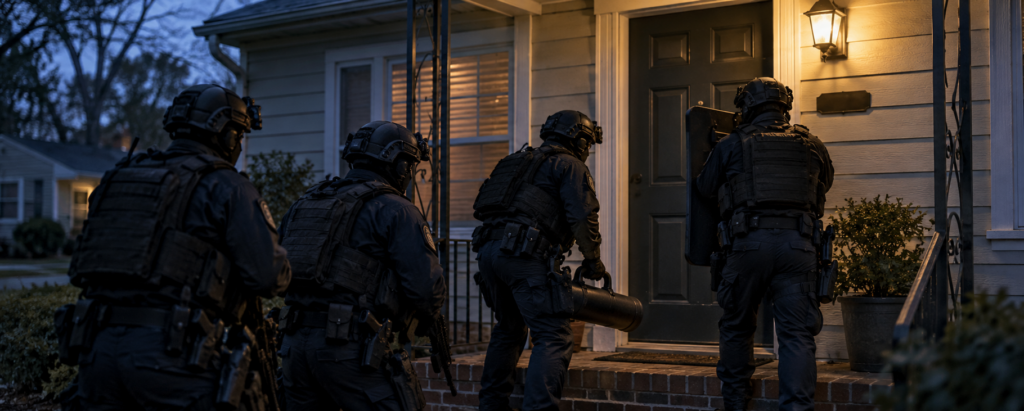
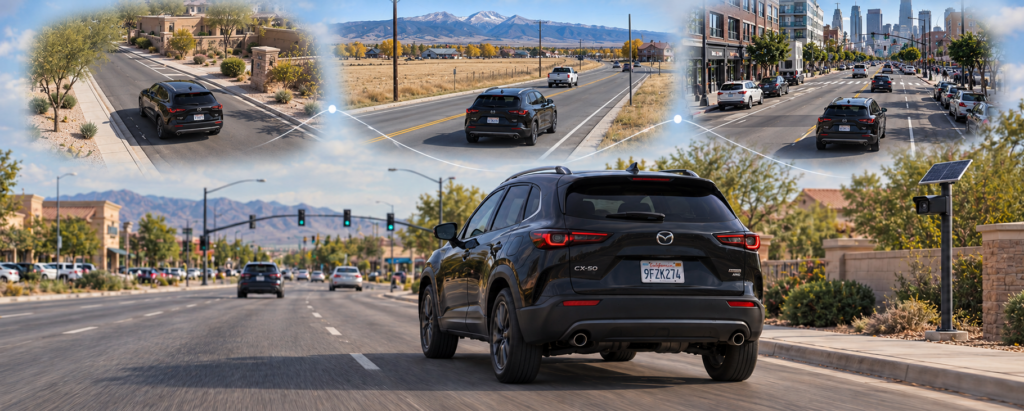
When DEA agents executed the warrants, they found a blue Toyota Sienna minivan and a red Ford pickup parked in Acevedo’s driveway. They initially searched both vehicles but found no contraband. Nevertheless, they seized both vehicles for civil forfeiture, believing the minivan had been used to facilitate drug trafficking and the pickup had been purchased with drug proceeds. Two weeks later, investigators received information that the minivan contained a hidden compartment. They obtained a separate search warrant, located the compartment near the rear bumper, and discovered six kilograms of cocaine, approximately 100 grams of crack cocaine, and a loaded revolver.
“Officers who are lawfully present in a location may sometimes seize property not identified in the warrant when an independent legal justification exists.”
Acevedo argued the drugs and firearm should be suppressed because the agents had no warrant authorizing them to seize the minivan from his private driveway. The 2nd Circuit disagreed.
The court relied on Florida v. White (526 U.S. 559 (1999)), in which the U.S. Supreme Court held officers with probable cause to believe a vehicle was subject to forfeiture could seize it without a warrant from a public place. Under federal drug forfeiture law, vehicles used to facilitate drug trafficking may themselves be forfeitable property. Thus, the legal justification for seizing the minivan didn’t depend on finding drugs inside it. The agents already had probable cause to believe the vehicle had been used in Acevedo’s drug trafficking activities.
But there was an important difference between White and Acevedo. The minivan was not parked on a public street. It was on private residential property. The Supreme Court has made clear that the automobile exception does not, by itself, authorize officers to enter constitutionally protected areas surrounding a home to search a vehicle. (See Collins v. Virginia, 584 U.S. 586 (2018)).
The 2nd Circuit resolved that problem by focusing on the agents’ lawful presence. They were already authorized by a valid search warrant to enter and search the grounds surrounding Acevedo’s home, including the driveway where the minivan was parked. Consequently, seizing the vehicle did not require any additional intrusion into an area protected by the Fourth Amendment. Combining that lawful access with probable cause to believe the minivan was forfeitable property, the court held the warrantless seizure was reasonable.
The court carefully limited its holding. It did not decide whether the driveway was within the home’s curtilage because Acevedo had not adequately raised that issue. Nor did it decide whether officers could seize an ordinary evidentiary vehicle under the same circumstances. The decision concerned only a vehicle subject to forfeiture, located in an area officers were already authorized to search.
There is another critical distinction. The authority to seize the minivan was separate from the authority to search its contents. Although the agents initially searched the vehicles without finding contraband, the constitutional challenge on appeal addressed just the seizure. The court did not independently decide whether those initial vehicle searches were lawful. When investigators later received information about the hidden compartment, they obtained another warrant before conducting the search that revealed the drugs and firearm.
Timely legal analysis on law enforcement-related cases: SUBSCRIBE NOW!
Acevedo reinforces a key principle: A search warrant is not necessarily the exclusive source of authority for every seizure made during its execution. Officers who are lawfully present in a location may sometimes seize property not identified in the warrant when an independent legal justification exists. Here, that justification was probable cause to believe the vehicle was forfeitable under federal law.
The practical lesson is to distinguish among the legal authority to enter a location, the authority to seize an item, and the authority to search its contents. Each action must have a valid constitutional justification, and authority for one does not automatically establish authority for the others. Understanding those distinctions can preserve valuable evidence and prevent an otherwise successful investigation from becoming an unsuccessful prosecution.
- Blog Articles