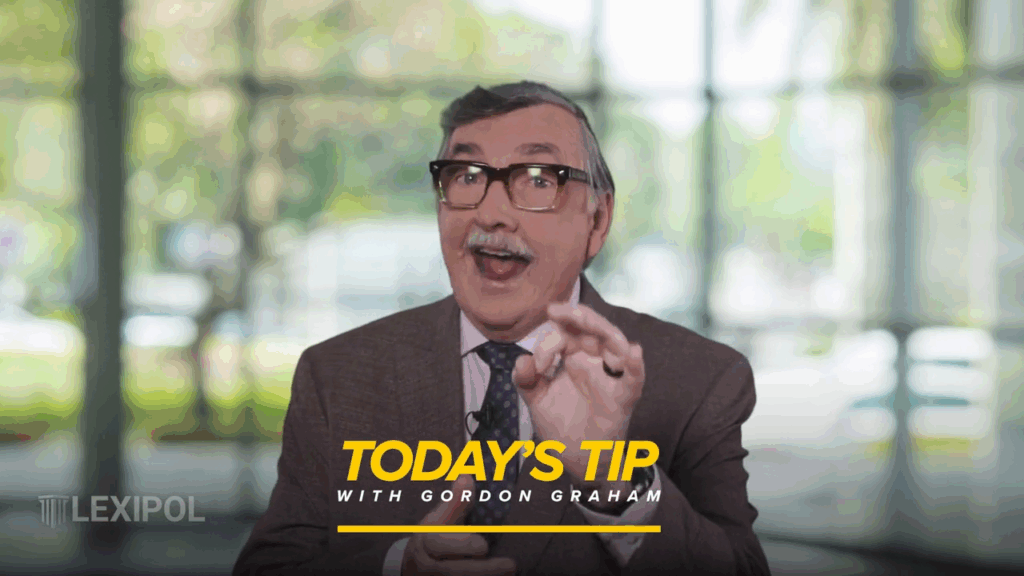
Gordon Graham
Category: Corrections
Gordon Graham here with Today’s Tip from Lexipol. Today I’d like to talk to my friends in corrections about something that doesn’t get nearly enough attention – the role of leaders as mentors.
Now, let me ask you – who helped shape your career? I bet you can name at least one person who took the time to guide you, offer advice, or maybe just listen when you needed it most. That’s mentorship. Corrections work is often demanding and the stakes are high. Strong mentorship can make all the difference in an officer’s career.
“The best leaders don’t just create good followers.”
Being a leader isn’t just about rank, authority, or making decisions. It’s about developing the next generation of leaders. Remember, your organization expects you to train your replacement. And one of the best ways to do that is through mentorship.
Think about the challenges your new officers face. There’s stress, learning policies and procedures, encountering difficult inmates, and the pressure of working in a high-risk environment. If we leave them to sink or swim, we’re setting them up for failure. But with the right mentor, we’re setting them up for success.
So, what does good mentorship look like? It starts with being approachable and making it clear that you’re there to help. It means sharing your experiences, both the wins and the mistakes, so others can learn. Most importantly, it’s about providing guidance without micromanaging. Let your people think, problem-solve, and grow while knowing they have your support.
Remember, the best leaders don’t just create good followers. They create future leaders. If you’re in a leadership position, embrace your role as a mentor. Take the time to invest in the people around you. Because in the end, their success is your legacy.
And that’s Today’s Tip from Lexipol. Until next time, Gordon Graham, signing off.